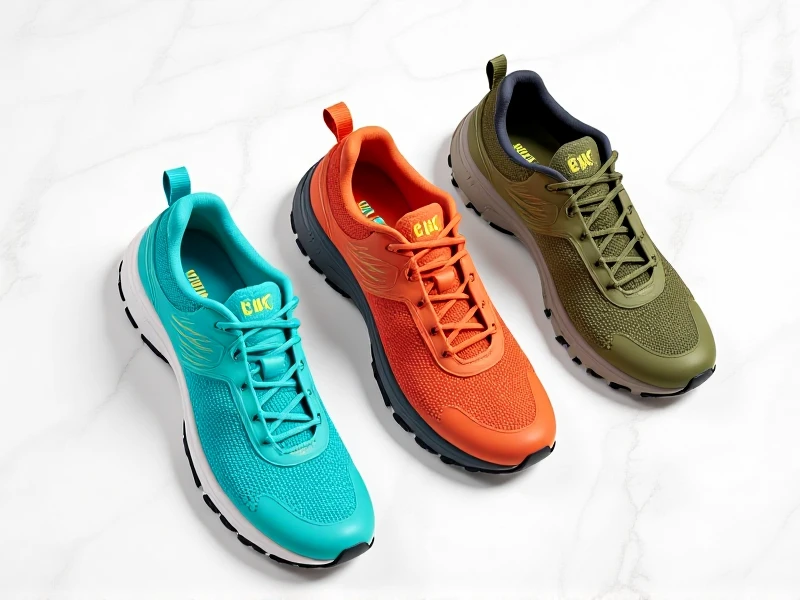
The Comprehensive Guide to Choosing the Best Running Shoes
Running shoes are a crucial investment for any enthusiast or beginner hitting the pavement. They provide not just comfort and support, but also protection against common injuries like shin splints or knee pain. Whether you're training for a marathon, enjoying a casual jog, or exploring nature trails, the right footwear can make all the difference in your performance and enjoyment. With so many options on the market, it's easy to feel overwhelmed. This guide simplifies the process by outlining key types and features to help you find your ideal pair of running shoes that fits your lifestyle.
First, understand the main categories of running shoes. Neutral shoes are great for runners with a balanced gait, offering lightweight cushioning for everyday use. Stability shoes cater to those who overpronate, featuring added support to align your stride and prevent joint strain. Motion control shoes are the heaviest, designed for severe overpronators needing maximum correction. For off-road adventures, trail running shoes boast rugged outsoles with deep lugs for superior grip on uneven terrains. Alternatively, minimalist options encourage a natural running form with minimal cushioning. Each type addresses specific needs, so analyzing your foot strike and running habits is a solid starting point before shopping.
When selecting your running shoes, prioritize factors like fit, cushioning, and durability. Always try on shoes later in the day when your feet are naturally swollen for a true fit. Aim for a thumb's width of space at the toe to avoid blisters during long runs. Cushioning levels vary from plush to firm; plush works well for high-impact surfaces like pavement, while firmer models enhance speed on track sessions. Also, check material quality—look for breathable uppers from mesh to knit fabrics that keep feet cool dry. Consider the drop difference in height from heel to toe—a standard 8-10mm provides balance, while lower drops suit a more natural feel. Rotate pairs regularly to extend the life of your running shoes and maintain responsiveness, as even the best models wear out after 300-500 miles.
Beyond comfort, the right running shoes deliver tangible benefits. They boost your efficiency by optimizing energy return, making each stride smoother and less taxing. Good shoes reduce injury risks by absorbing shocks and correcting alignment, leading to healthier joints over time. Plus, they enhance your motivation; feeling great in a pair of well-fitted running shoes inspires you to stick to goals and explore new areas. Remember, personalized attention matters—visit a specialty store for gait analysis or read reviews online to fine-tune your choice. Ultimately, investing in the perfect pair transforms every run into a rewarding adventure while safeguarding your long-term health. With consistent care, your running shoes become a trusted companion on the path to fitness and fun.