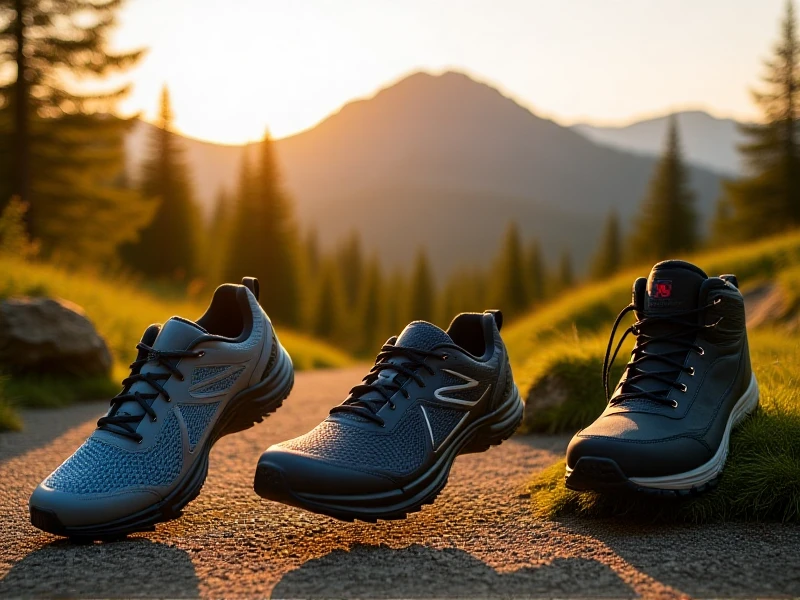
Find Your Perfect Running Shoes: A Runner's Essential Guide
Here is the SEO-optimized article about running shoes:
Your feet hit the pavement mile after mile, bearing your full weight with every stride. This relentless impact demands more from your footwear than simple style. Choosing the right running shoes is the single most important investment you can make for comfort, performance, and injury prevention. It's not just about aesthetics; it's about finding your perfect biomechanical match.
Why does the right shoe matter? Running involves repetitive motion placing significant stress on joints and tissues. The correct running shoes act as critical shock absorbers, cushioning impact forces. More importantly, they provide the necessary stability and support tailored to your unique foot structure and running gait. A mismatched shoe can lead to common runner woes like shin splints, plantar fasciitis, knee pain, or blisters, derailing your training progress.
Understanding key features guides you towards the best fit:
- Cushioning: This absorbs impact. Choices range from maximalist plush softness (great for long distances or heavier runners) to minimalist firmness (offering ground feel, often preferred by speed-focused runners). Modern tech like specialized foam midsoles (EVA, TPU, PEBA) provides responsive bounce-back.
- Support & Stability: Crucial for correcting overpronation (when the foot rolls inward excessively). Look for features like medial posts (firmer foam on the inner heel/midfoot) or wider, structured heels. Neutral shoes offer cushioning without extra correction.
- Fit & Feel: Should be snug but not tight, with about a thumbnail's width of space beyond your longest toe. Heel locks securely without slippage. Consider toe box width – a cramped forefoot leads to black toenails. The feel underfoot is personal; some like a soft, pillowy ride, others prefer firm responsiveness.
- Weight: Lighter running shoes generally promote faster turnover for speedwork and racing, while slightly heavier shoes often offer more stability and durability for daily training.
- Drop: This measures the height difference (in mm) between the heel and forefoot. A typical drop is 8-12mm, offering more support; lower drops (0-6mm) encourage a more mid/forefoot strike and require stronger calves/achilles.
- Traction & Outsole: A durable rubber outsole with lugs or patterns ensures grip on roads, tracks, or light trails.
How to Choose Your Ideal Pair:
- Know Your Gait: Visit a specialty running store for a gait analysis. This often involves running on a treadmill while experts assess how your foot lands and moves (pronates). This identifies if you need neutral, stability, or motion control shoes.
- Consider Your Terrain: Primarily road running? Road shoes offer smooth, durable soles. Adding trails? Hybrid shoes or dedicated trail running shoes provide deeper lugs for off-road grip and rugged protection.
- Honor Your Distance & Goals: Training for marathons? Prioritize cushioning and support. Focusing on 5ks or speed? A lighter, more responsive racing flat might be suitable. Your primary training shoe should align with your main mileage.
- Prioritize Fit: Always try shoes on later in the day when feet are slightly swollen. Wear the socks you run in. Take a test jog around the store. Comfort is paramount – ignore fashion trends if the shoe feels "off".
Caring for your running shoes extends their lifespan and performance. Allow them to air dry naturally. Replace them after approximately 300-500 miles, as the midsole cushioning breaks down long before the outsole wears out, losing critical impact protection.
Ready to invest in miles of comfort and performance? Don't compromise on your foundation. The perfect running shoes are out there, ready to support every stride towards your goals. Your feet (and your race times) will thank you.