The Ultimate Running Shoes Guide: Find Your Perfect Pair
Selecting the right running shoes transforms your training from painful to powerful. Whether you’re a marathon veteran or a weekend jogger, proper footwear prevents injuries and enhances performance. This guide explores everything you need to know when shopping for running shoes.
First, identify your foot type and gait. Overpronators (feet rolling inward) benefit from stability shoes with medial support, while neutral runners can opt for cushioned designs. Supinators (feet rolling outward) require flexible models with extra shock absorption. Visit specialty stores for gait analysis – many offer free treadmill assessments.
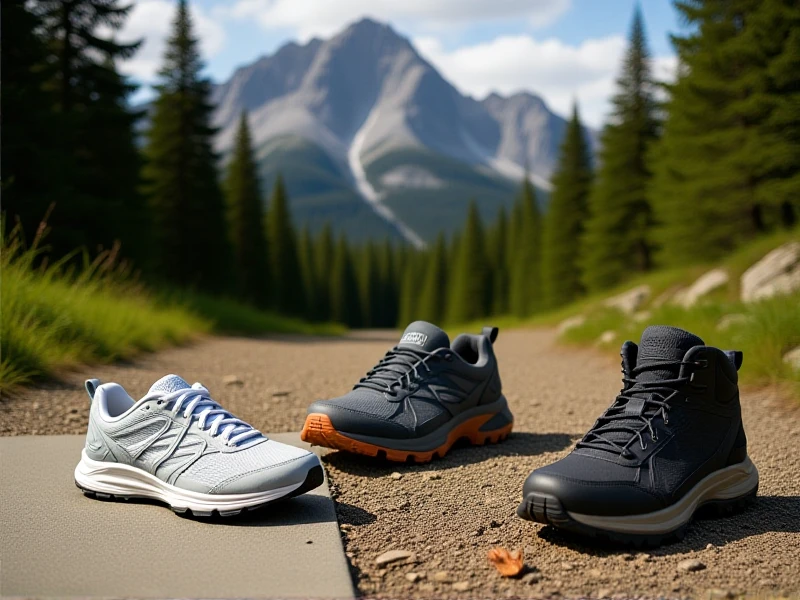
Cushioning determines comfort and impact protection. Maximalist shoes feature thick midsoles for joint relief during long distances, while minimalist styles promote natural foot movement. Consider hybrid options if you’re transitioning between styles. Your training surface also matters: trail running shoes have aggressive treads and rock plates for uneven terrain, whereas road shoes prioritize lightweight responsiveness.
Prioritize fit above trends. Always measure feet later in the day when they’re naturally swollen. Leave a thumb’s width between toes and shoe tips, ensuring heels don’t slip. Test shoes on varied surfaces during trials – quality retailers allow test runs. Remember, sizing varies across brands, so disregard assumptions about your "usual" size.
Replacement timing affects injury prevention. Monitor midsole compression and tread wear, replacing every 300-500 miles. Signs like decreased cushioning or new aches mean it’s time for fresh running shoes. Invest in orthopedic inserts if needed; just ensure shoes have removable insoles.
Break in gradually: Run short distances first. Pair technical socks that wick moisture to prevent blisters. For speed workouts, lightweight racing flats boost efficiency despite less cushioning. Finally, rotate between different pairs to extend longevity and accommodate varying workouts.
Finding perfect running shoes requires patience but pays dividends in comfort and performance. Listen to your feet, track wear patterns, and consult experts during selection. When shoes align with your biomechanics, every stride becomes smoother. Ready to hit your stride faster? Your next favorite pair awaits!